Assaf Rappaport sat across from Sundar Pichai at a private breakfast in a New York hotel, holding a brown envelope with an acquisition offer of $30 billion inside. He said no on the spot.
That was the second time Wiz turned Google down. The deal still closed, at $32 billion, the biggest exit in Israeli tech history. In an interview with Roni Kuban on Kan 11, the Wiz CEO walked through how it happened. The lessons apply just as much to a $3 million app as to a $32 billion cybersecurity company.
What Happened Between Wiz and Google?
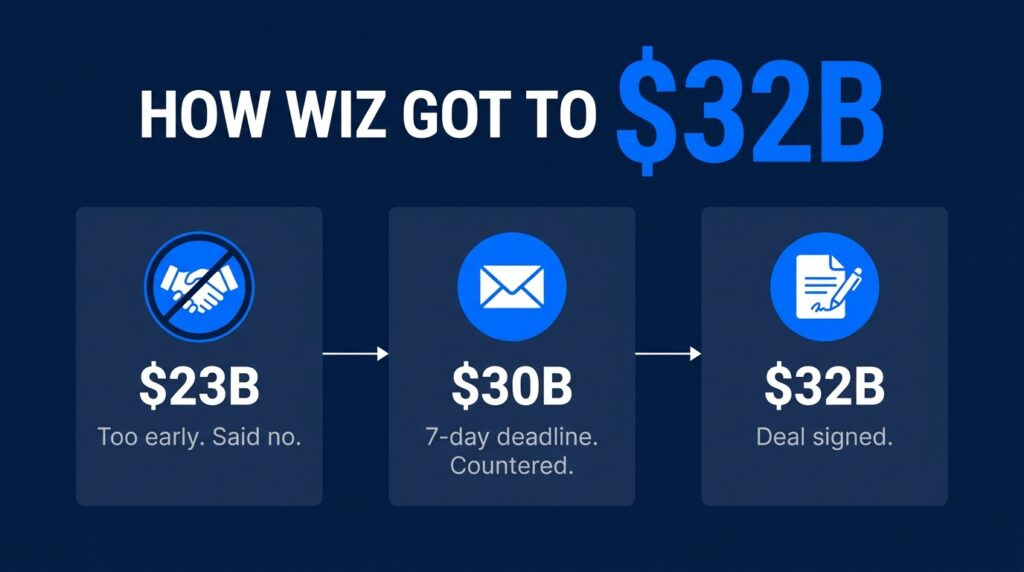
Round one came in July 2024. The paperwork for a $23 billion deal was ready to sign, and Wiz walked away from the $23 billion Google deal to pursue an IPO instead. Rappaport told Kuban he wrote two emails to his team that week: one celebrating the sale, and one announcing it was off.
He also admitted the night after felt terrible. According to Calcalist’s coverage of the interview, he pictured people calling him the guy who could have sold for $23 billion and didn’t.
Round two came months later. Pichai brought the envelope, named $30 billion, and asked to close within seven days. Rappaport rejected the number but not the deal. The two sides worked the price up, signed at $32 billion in March 2025, and Google completed the Wiz acquisition in March 2026.
Lesson 1: Timing Beats the Size of the Number
Rappaport’s reason for saying no to $23 billion was simple. In his gut, it was too early. Wiz still had a lot of road ahead, and he even admitted the company was not really worth $23 billion at that point. Closer to half.
Read that again. He turned down a price above what he thought the business was worth, because he believed the next year would prove a bigger number. He was right: nine billion dollars right.
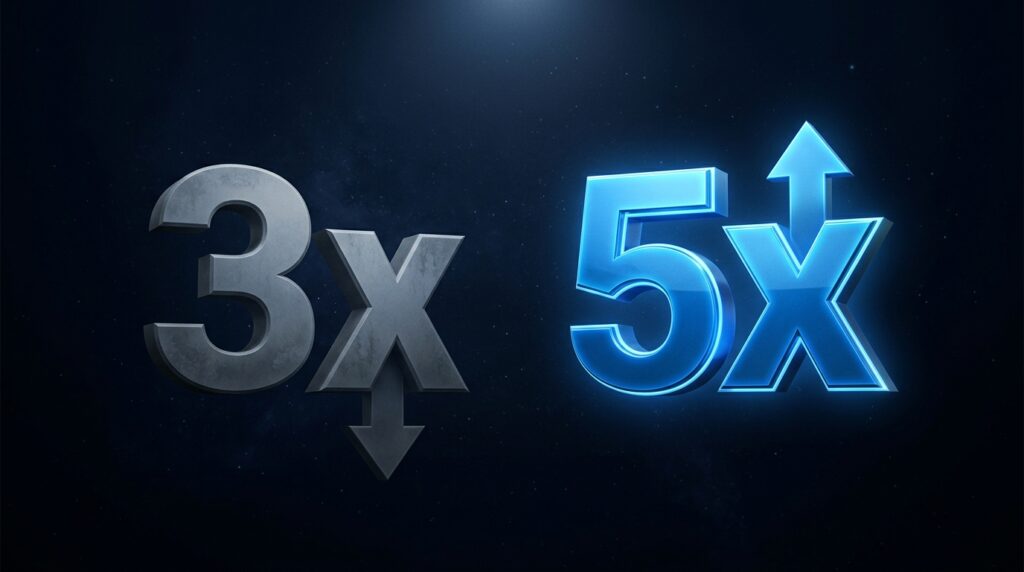
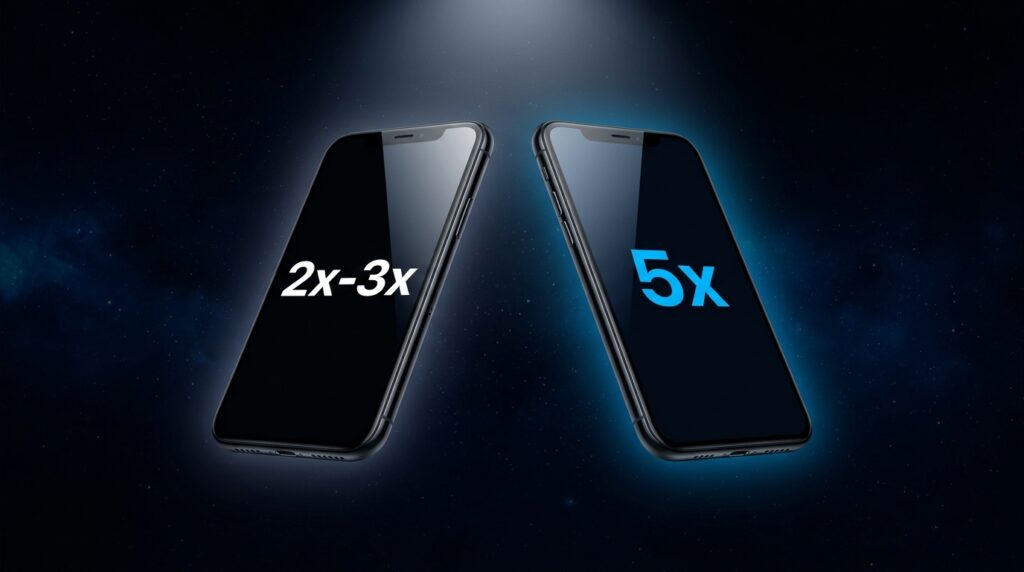
App founders face the same question at a smaller scale. Buyers price your app on trailing profit and a valuation multiple, usually somewhere between 2x and 5x annual SDE. If your growth story is three months from showing up in the P&L, selling today means the buyer gets that growth for free.
The flip side is real too. Waiting only works if the business keeps growing. If revenue dips while you hold out, the next acquisition offer is lower, not higher. Most founders should not copy Wiz blindly. They should copy the question Wiz asked: is now the best moment this business will have?
Lesson 2: Respect Every Acquisition Offer, but Don’t Take the First Number
When Pichai named $30 billion, Rappaport said no immediately. Not because $30 billion is a bad number. Because the first number in any deal is an opening position, even when it comes from Google.
Notice what he did not do. He did not walk out, play hard to get, or go silent for two weeks. He made it clear he wanted the deal and that the price needed work. That is the difference between negotiating and stalling.
For a founder, respecting an acquisition offer means a fast reply, a clear counter, and a reason behind it: growth data, retention cohorts, or a comparable sale. Buyers value the same app very differently, which is why the same app can get wildly different offers. The first number tells you where one buyer starts, not where the market ends.
Lesson 3: Say No Without Burning the Bridge
The $30 billion envelope only exists because the $23 billion rejection ended well. Rappaport praised how gracefully Pichai took the first no, and called it a style of leadership he had not seen before. Both sides left the door open.
In app M&A this happens all the time. A buyer who passed in March comes back in September when the numbers improve. A founder who declined politely gets a second, better offer. A founder who declined rudely gets nothing.
Decline in writing, explain why, and say what would change your answer. That one email can be worth more than the original acquisition offer.
The Buyer’s Side: Why Google Wanted It Closed in Seven Days
Timing is not only the seller’s weapon. Look at the deal from Google’s chair. The first deal died while it sat on the table. Google had already lost $23 billion worth of certainty once, so the second time it came with a bigger number and a short fuse.
That seven-day deadline was not arrogance. It was protection. Every week between an acquisition offer and a signature is a week for something to go wrong: a weak month, a competing bidder, a co-founder with cold feet, a market dip. Buyers know that time kills deals, so serious buyers move fast once they decide.
Google also agreed to a $3.2 billion breakup fee if regulators blocked the deal. That is roughly 10% of the price, paid just to show the seller it was committed. When a buyer pays for certainty, it tells you how much it fears losing the deal.
For app deals the lesson is the same at a smaller scale. Once you agree on terms, keep momentum: a ready data room, fast answers in due diligence, and a clear path to an escrow service for the closing. If you want to be ready before the offer arrives, here is how to prepare your app for sale.
Lesson 4: Your Bargaining Power Comes From a Real Alternative
Wiz could say no to $23 billion because it had a real plan B: a fast-growing business and a credible path to an IPO. Without that, the no would have been a bluff, and Google would have known it.
Your alternative does not need to be an IPO. It can be a profitable app you are happy to keep running, or a second interested buyer. Competitive tension is what turned $30 billion into $32 billion, and it is why founders use a broker for their mobile exit instead of negotiating with a single buyer.
What to Do When an Acquisition Offer Lands
Before you reply, answer four questions. Is this the best moment for the business, or will the next six months tell a better story? What is your walk-away number? What is your real alternative if the buyer says no?
And the fourth: if you reach a deal, can you close it fast? The answer to that one decides whether your price survives due diligence.
FAQ
Should I accept the first acquisition offer for my app?
Usually not as is. Treat it as a serious opening position, reply quickly, and counter with data. Accepting the first number usually means leaving money on the table.
Why do buyers set short deadlines?
Because time kills deals. A short deadline reduces the chance of a competing bid, a weak month, or a change of heart. It is a sign of a serious buyer, but you can still negotiate inside it.
How long does it take to sell an app?
Most app deals close within weeks to a few months after an LOI, far faster than Wiz’s year-long regulatory review. Here is what to expect when selling your app, stage by stage.
Rappaport’s story is not about saying no. It is about knowing when to say yes. Respect the acquisition offer, own your timing, keep the relationship warm, and move fast once the price is right. If you are thinking about an exit, start here.